
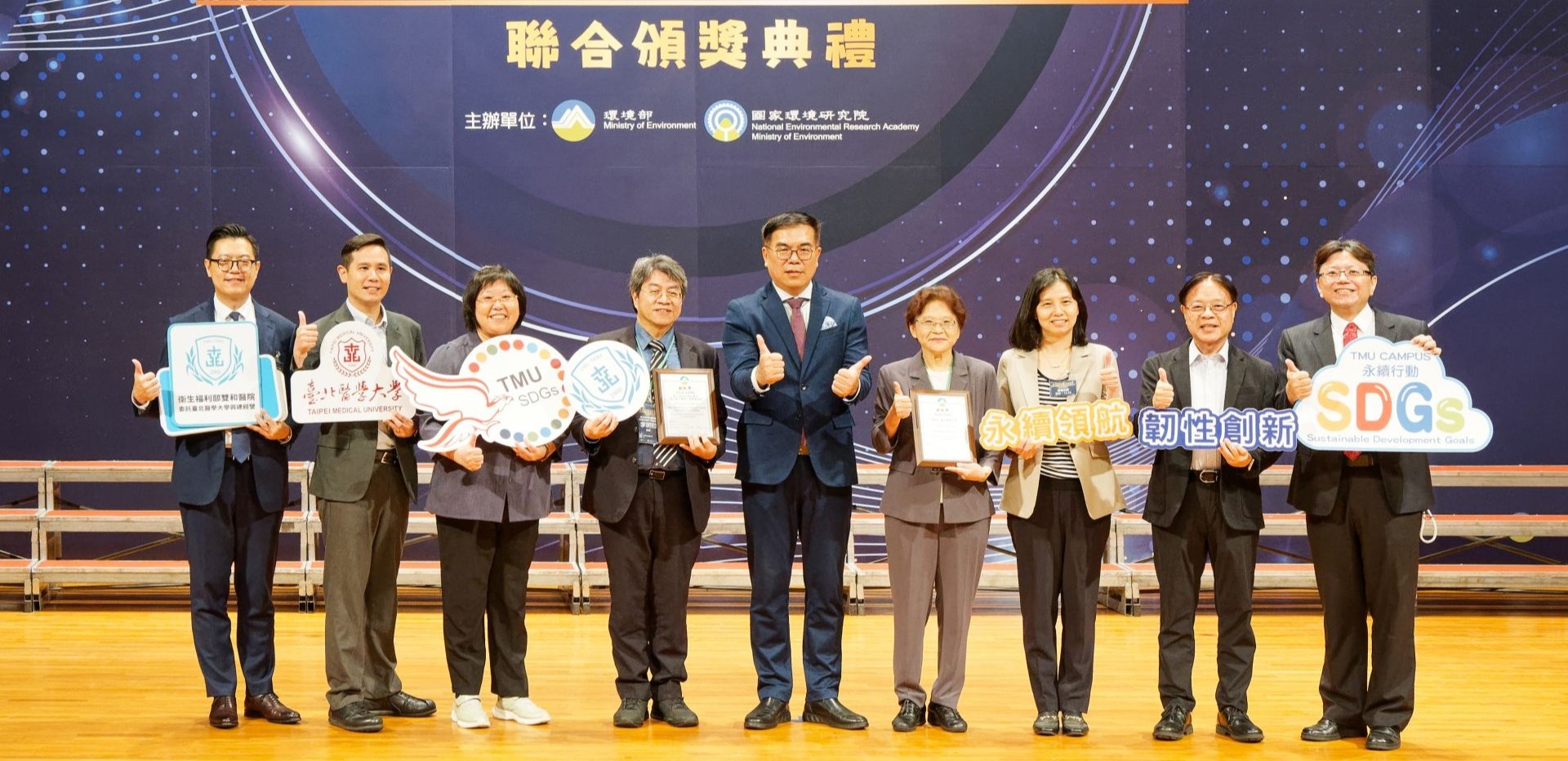
![[2025 MOE USR Co-Learning] TMU Leads SROI Practice](/userfiles/images/20251009180308153.JPG)
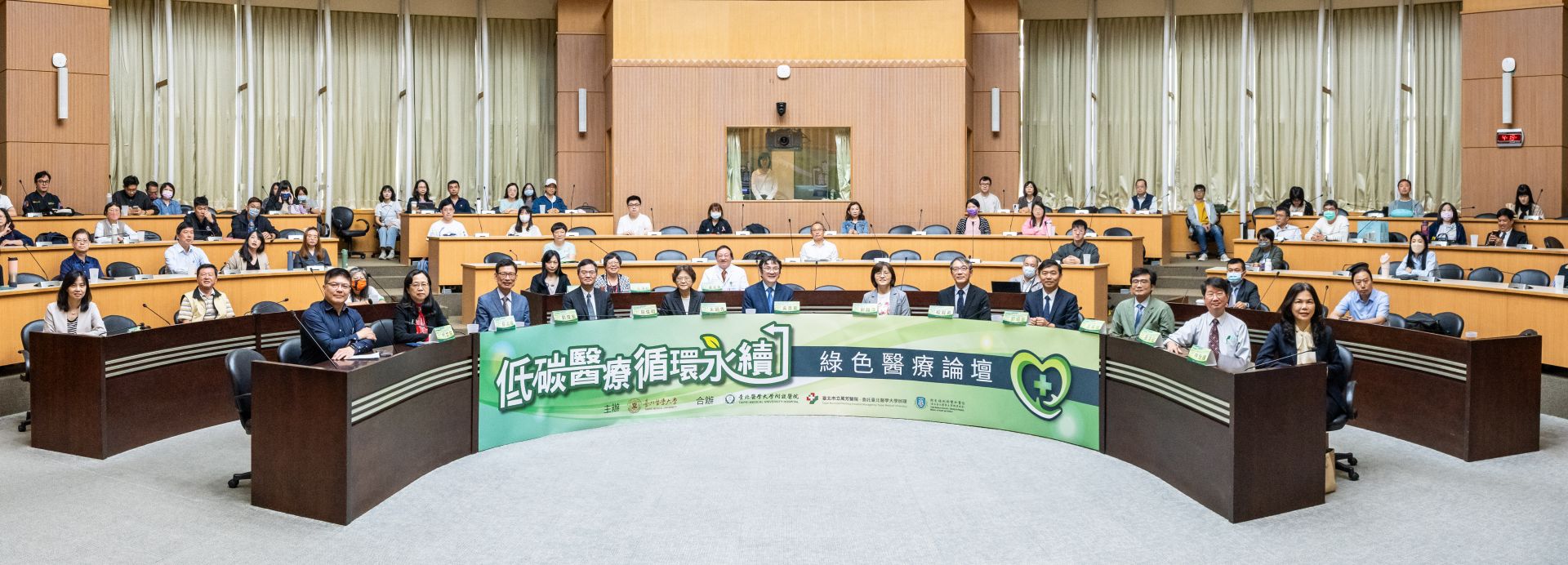

Taipei Medical University’s Service Overseas Team and 114 Medical Service Team Traveled to Nepal and Matsu During the 2026 Winte
During the January 2026 winter break, two Taipei Medical University student service groups—the Taipei Medical University Service Overseas (TMUSO) team and the 114 Medical Service Team—traveled respectively to Nepal and Matsu to provide medical, dental, and health education services. TMUSO is Taiwan’s first student volunteer group to carry out overseas dental screening and oral health education in third-world countries. The team had previously served Tibetan settlements in southern India for many years and has served monasteries and schools in Nepal since 2016, with a temporary shift to eastern Taiwan during the pandemic. The 114 Medical Service Team was established in 2019 by Dr. Yang-Che Wu of the School of Dentistry and student Kai-Wen Chen, and later developed into a university-wide student organization. The team was named after January 14, the birthday of Albert Schweitzer, in tribute to his spirit of service.
TMUSO Returned to Nepal to Advance International Dental Service and Practical Training
From January 9 to 24, TMUSO returned to Nepal for its second winter overseas service mission. Led by Dr. Yang-Che Wu, the team included 19 dental students and 7 accompanying dentists. They visited multiple schools and service sites in Pokhara and Kathmandu, providing oral health screenings, basic dental treatment, and oral hygiene education. During the mission, they completed 987 instances of oral health education and examinations and provided free dental treatment to 405 patients, demonstrating TMU’s sustained commitment to international medical service.

 Once on site, the team deeply felt the shortage of oral healthcare resources in the local community. Many children were unfamiliar with toothbrushes and dental instruments, and often felt nervous during their first dental checkup. Team members had to build trust gradually through demonstrations and guidance before they could successfully complete examinations and health education. This experience helped students realize that medical service is not only about technical skills, but also about communication and humanistic care. In the clinical setting, students assisted with treatment under the guidance of the accompanying dentists. Working in an environment with limited resources and tight schedules, they had to quickly determine the most necessary and feasible interventions. At the end of each day, the team reviewed the day’s work and adjusted service procedures and education strategies to better match local needs.
 A clear understanding of role division and teamwork was also a key part of the mission. From preparing equipment early in the morning, to managing patient flow for screenings and free clinics, to organizing records and holding meetings at night, every member had to understand their responsibilities and support one another. This intensive collaboration not only improved service efficiency but also strengthened the team’s cohesion and sense of responsibility, reflecting the real-world operation of a healthcare team. The project was made possible through the professional guidance of Dr. Yang-Che Wu, as well as the administrative and logistical support of the local partner Joy Foundation and Mr. Hui-Hsing Chen, along with financial and venue support from partner schools, the Youth Development Administration, and related foundations.
Through this overseas medical service experience, team members not only gained practical experience but also developed a deeper understanding of the role and responsibility of medical professionals in different social contexts. Building on TMUSO’s long-standing summer overseas service tradition, the winter service mission is gradually becoming a stable and sustainable service model, demonstrating the team’s long-term commitment to international engagement and oral health advocacy.
The 114 Medical Service Team Returned to Matsu to Safeguard Health in Outlying Islands Through Professional Service and Action
From January 5 to 13, 2026, the 114 Medical Service Team returned to Matsu for a nine-day itinerant medical service mission. Despite strong winds and a cold wave, the team continued its long-standing commitment to local health and brought professional medical service and compassionate support to the islands of Matsu.
Drawing on experience from previous missions, the team had developed a deeper understanding of healthcare conditions in outlying islands. In Matsu, most specialists serve on a rotational support basis, meaning residents often face long waits for specialized care. High-demand services such as ophthalmology and dentistry frequently require residents to travel between islands or even to Taiwan proper, increasing transportation burdens and potentially delaying treatment. During this winter mission, the team continued to collaborate with volunteer physicians to provide basic examinations and treatment in dentistry, ophthalmology, traditional Chinese medicine, dermatology, and physical therapy. The physicians all participated on a voluntary basis, and the team also collected commonly used medications before departure so that appropriate prescriptions could be provided despite the local shortage of pharmacies.
For the team, every consultation represented more than the completion of a medical procedure; it also meant helping residents gradually regain daily functioning and quality of life. The relief and joy expressed by many residents after treatment became the most direct reward for the team and gave members a concrete sense of the social value of healthcare work.
In addition to clinical services, health education remained a central part of the mission. The team continued collaborating with the Lienchiang County Department of Health and adjusted its educational content based on the local population structure and health needs. This winter, the team introduced a new session on warm-up exercises for low-temperature health protection, addressing cardiovascular and circulation risks faced by older adults during cold weather. In previous years, they had also promoted topics such as periodontal health, metabolic syndrome, and osteoporosis. The team believes that only by combining preventive concepts with continuous healthcare support can community health be improved at its roots, allowing health education and free clinics to form a long-term and stable support system.
People often ask why the team keeps returning to Matsu. While short-term medical service cannot transform the entire healthcare system of an outlying island overnight, for local residents, every reliable return visit provides real and tangible help: some people discover health issues early, some obtain relief from long-term discomfort, and others become more willing to face their own health concerns because they feel cared for. The team’s presence is not only about treating illness in the moment, but also about providing ongoing companionship and support in a setting with limited resources. The trust and connection built over time are, in the team’s view, the most far-reaching meaning of medical service education.
After the mission concluded, team members brought back more than service records. They returned with a deeper understanding of healthcare realities in outlying islands and a renewed commitment to professional responsibility. The trust and warmth given by the land and its residents will continue to inspire the next generation of medical talent. The 114 Medical Service Team will keep moving forward, carrying on this intergenerational spirit of care and action to illuminate more places in need of support.